 EN
EN

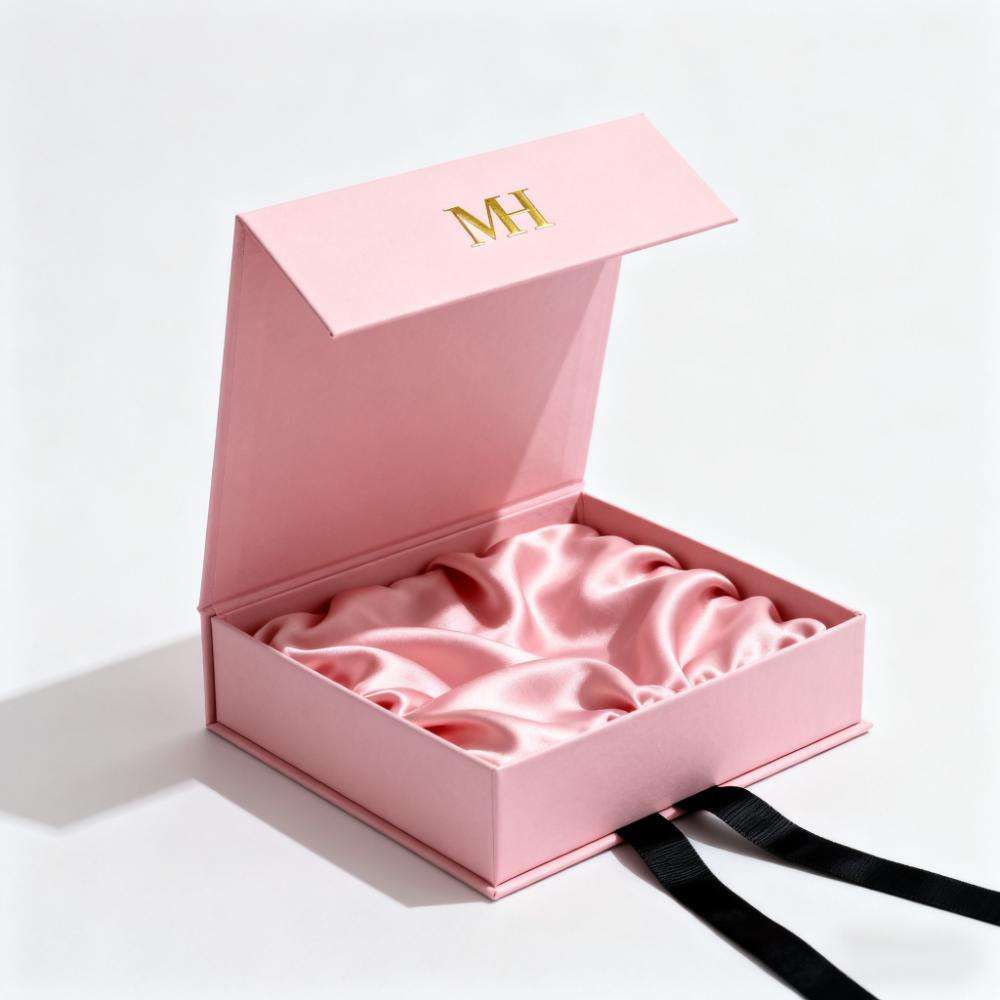
Customizing a packaging box for electronics requires a strategic blend of material science, structural engineering, and brand aesthetics. Manufacturers must balance protection requirements with cost efficiency, ensuring that each packaging box safeguards sensitive components while reflecting brand identity and meeting sustainability goals. The process of creating a tailored packaging box involves multiple decision points, from selecting materials to integrating design elements and testing structural integrity. Electronics manufacturers face unique challenges because their products demand superior cushioning, moisture barriers, and static protection, making the customization process more complex than general retail packaging box solutions.
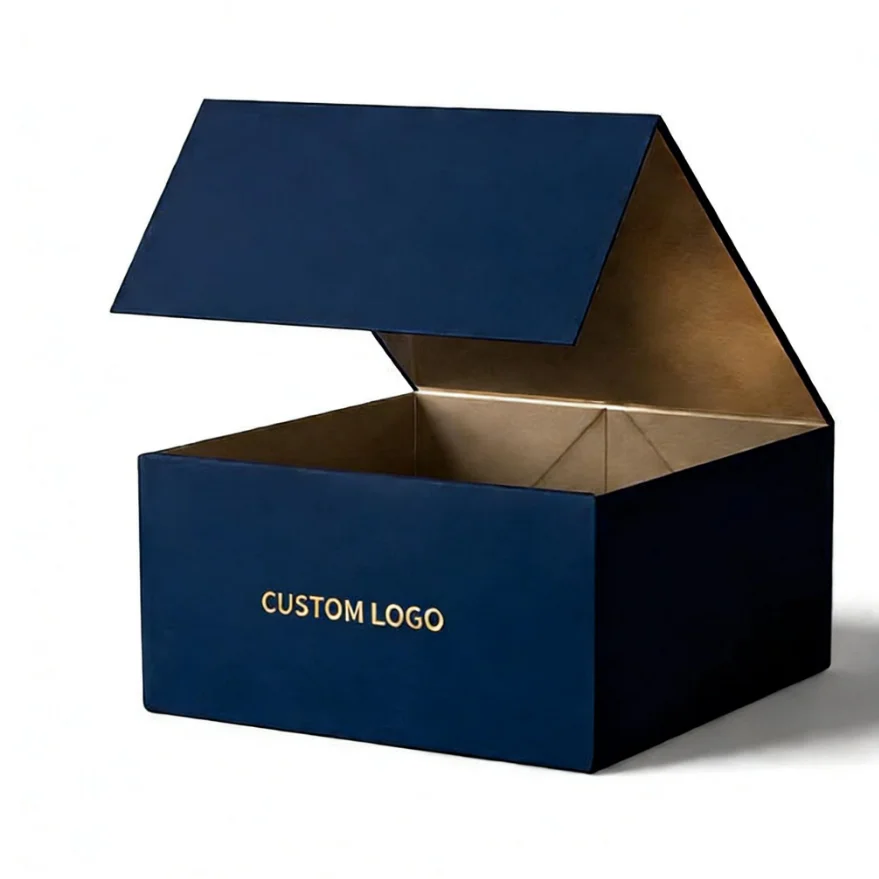
The packaging box customization journey begins with understanding product specifications, dimensional requirements, and end-user expectations. Manufacturers recognize that a well-designed packaging box not only protects the product during transit but also shapes customer perception at the unboxing moment. Whether designing a packaging box for smartphones, laptops, or industrial electronic components, the underlying methodology remains consistent: define protection needs, select appropriate materials, integrate branding elements, and validate performance through testing protocols.
Material Selection and Protection Strategies
Understanding Electronics-Specific Protection Requirements
Electronics require specialized protection that goes beyond standard product packaging box solutions. A high-quality packaging box must shield components from physical shock, vibration, humidity, and electrostatic discharge. Manufacturers evaluate material combinations for each packaging box design by assessing the product's fragility, weight distribution, and transportation environment. Corrugated cardboard forms the primary structure of most packaging box systems, but the flute profile—whether A, B, C, E, or double-wall combinations—directly impacts protection capability. Premium packaging box designs often incorporate foam inserts, air cushioning layers, or molded fiber components that provide targeted impact absorption while maintaining structural integrity during multi-drop scenarios.
Material Combination and Sustainability Considerations
Modern packaging box customization increasingly addresses environmental responsibility alongside performance. Manufacturers source recyclable and biodegradable materials for packaging box construction, including post-consumer recycled cardboard, plant-based foam alternatives, and water-soluble protective films. When designing a packaging box, engineers balance material thickness with weight reduction to lower shipping costs and carbon footprints. Interior protective materials within the packaging box may include molded pulp, expanded polystyrene, polyethylene foam, or innovative mushroom-based composites. The selection of materials for each packaging box variant depends on regulatory requirements, target market preferences, and product vulnerability levels.
Design Integration and Structural Customization
Structural Engineering for Custom Packaging Boxes
Designing a packaging box structure requires collaboration between product engineers and packaging specialists who understand load-bearing capacity, stacking limits, and drop-test standards. The packaging box must accommodate product dimensions with minimal excess space while providing adequate cushioning depth—typically 1 to 3 inches of buffer material on all sides. Manufacturers specify packaging box specifications including burst strength, edge crush test results, and puncture resistance to ensure compliance with international shipping regulations. The interior architecture of the packaging box may feature custom-molded compartments, adjustable dividers, or suspension systems that immobilize the product and prevent contact with outer packaging box walls. Flap configurations, closure mechanisms, and reinforced corners within the packaging box design all contribute to structural reliability during the supply chain journey.
Aesthetic Branding and Functional Integration
Beyond protection, a packaging box serves as a brand ambassador and functional communication tool. Manufacturers customize packaging box printing with brand logos, product imagery, and instructional graphics that enhance unboxing experience and product recognition. The packaging box design incorporates QR codes, serial numbers, and regulatory compliance information printed directly on cardboard surfaces or integrated labels. Color selection for the packaging box exterior reflects brand identity while maintaining visibility of critical information. Interior surfaces of the packaging box may feature custom branding, product documentation pockets, or warranty cards that reinforce brand messaging. Window cutouts in the packaging box structure can showcase product features without requiring full opening, creating a distinctive retail presence.
Testing, Validation, and Continuous Improvement
Performance Testing Protocols for Custom Packaging Boxes
Manufacturers conduct comprehensive testing on each packaging box design variant before full-scale production to validate performance under real-world conditions. Drop tests, compression tests, and vibration simulations help verify that the packaging box maintains product safety across multiple handling scenarios. The packaging box undergoes moisture resistance evaluation, especially for electronics destined for humid climates or coastal regions. Electrostatic discharge protection testing ensures that the packaging box materials and interior components do not generate static buildup that could damage sensitive circuitry. Manufacturers may perform edge crush tests, burst strength measurements, and tensile strength analyses on packaging box materials to establish baseline performance metrics that inform quality control procedures throughout manufacturing.
Iterative Refinement and Supply Chain Feedback
The packaging box customization process benefits from continuous feedback loops connecting field performance data with design engineering teams. Manufacturers track damage reports, customer feedback, and returns data to identify packaging box design weaknesses or opportunities for cost reduction. Successful packaging box programs incorporate supplier relationships that enable rapid material sampling, prototype development, and design iteration. Each packaging box generation incorporates lessons learned from previous production runs, optimizing the balance between protection effectiveness and manufacturing efficiency. As product specifications evolve or market conditions shift, the packaging box design adapts accordingly, ensuring continued alignment with business objectives and customer expectations.
FAQ
What are the primary material options when customizing a packaging box for electronics?
Manufacturers typically choose from corrugated cardboard in various flute profiles, foam inserts made from expanded polystyrene or polyethylene, molded fiber components, and advanced alternatives like biodegradable plant-based materials. Each material option within the packaging box design offers different protection levels, cost profiles, and environmental benefits. The final packaging box configuration often combines multiple materials to achieve optimal protection while meeting sustainability and budget constraints.
How do manufacturers determine the right dimensions for a custom packaging box?
Dimension selection for a packaging box starts with precise product measurements, then adds buffer space for internal protective layers—typically 1 to 3 inches on all sides depending on product fragility. Manufacturers also consider shipping container compatibility, pallet stacking efficiency, and cost implications of the final packaging box size. Testing with prototype packaging box designs helps validate that dimensions provide adequate protection while minimizing wasted space and shipping expenses.
What testing methods validate that a custom packaging box meets quality standards?
Standard validation methods for a packaging box include drop tests from specified heights, compression tests simulating stacking loads, moisture resistance evaluations, and vibration testing replicating transportation conditions. Additional packaging box testing may include burst strength measurements, edge crush tests, and electrostatic discharge verification for sensitive electronics. Manufacturers compare test results against industry standards and internal specifications to confirm that each packaging box design meets safety and performance requirements before commercial release.