 EN
EN

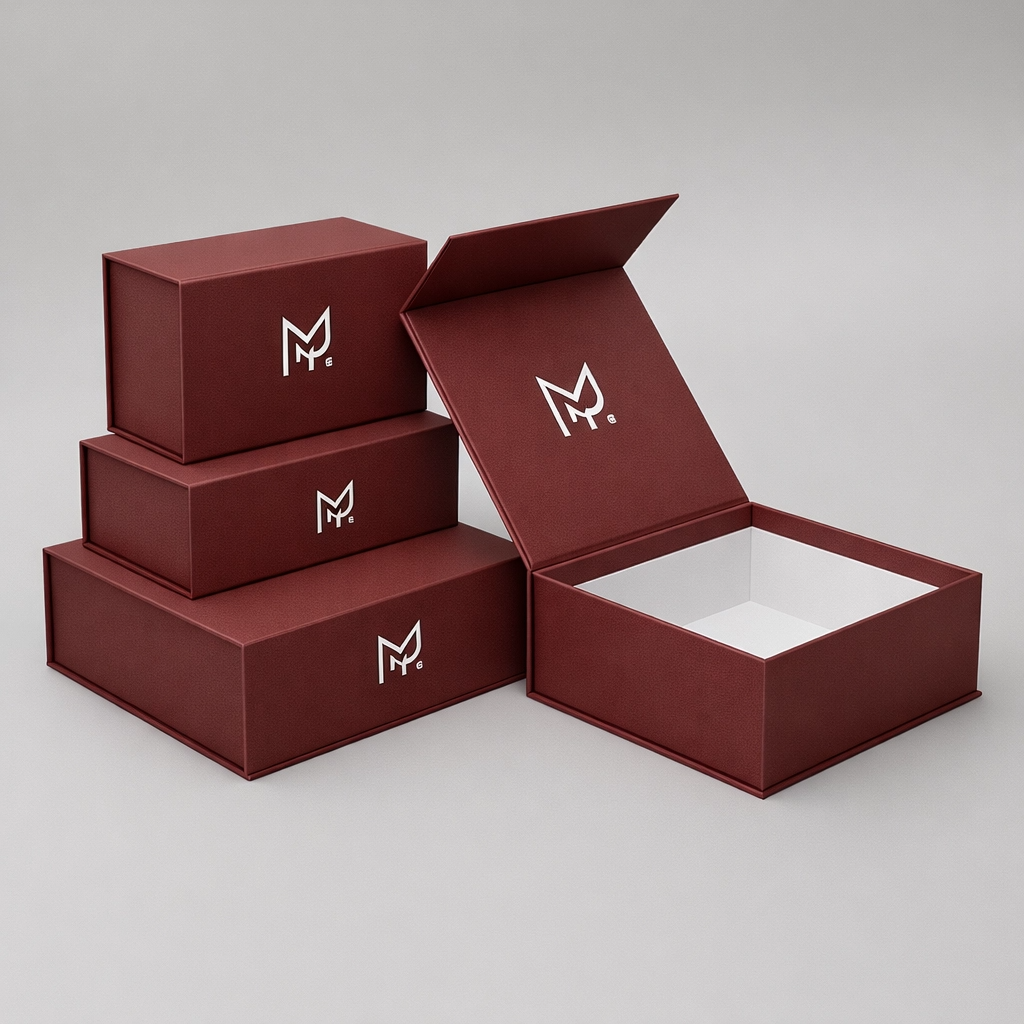
Designing a protective packaging box for fragile glass items requires careful attention to material selection, structural integrity, and cushioning strategies. Brands operating in the cosmetics, beverages, perfumery, and specialty goods sectors face significant challenges when shipping delicate glass containers, as even minor impacts during transit can result in breakage, product loss, and customer dissatisfaction. The design process for a protective packaging box goes far beyond aesthetic appeal; it demands engineering precision, material knowledge, and an understanding of real-world supply chain conditions. When brands invest in proper packaging box design, they reduce breakage rates, minimize returns, enhance brand perception, and ultimately protect their bottom line.
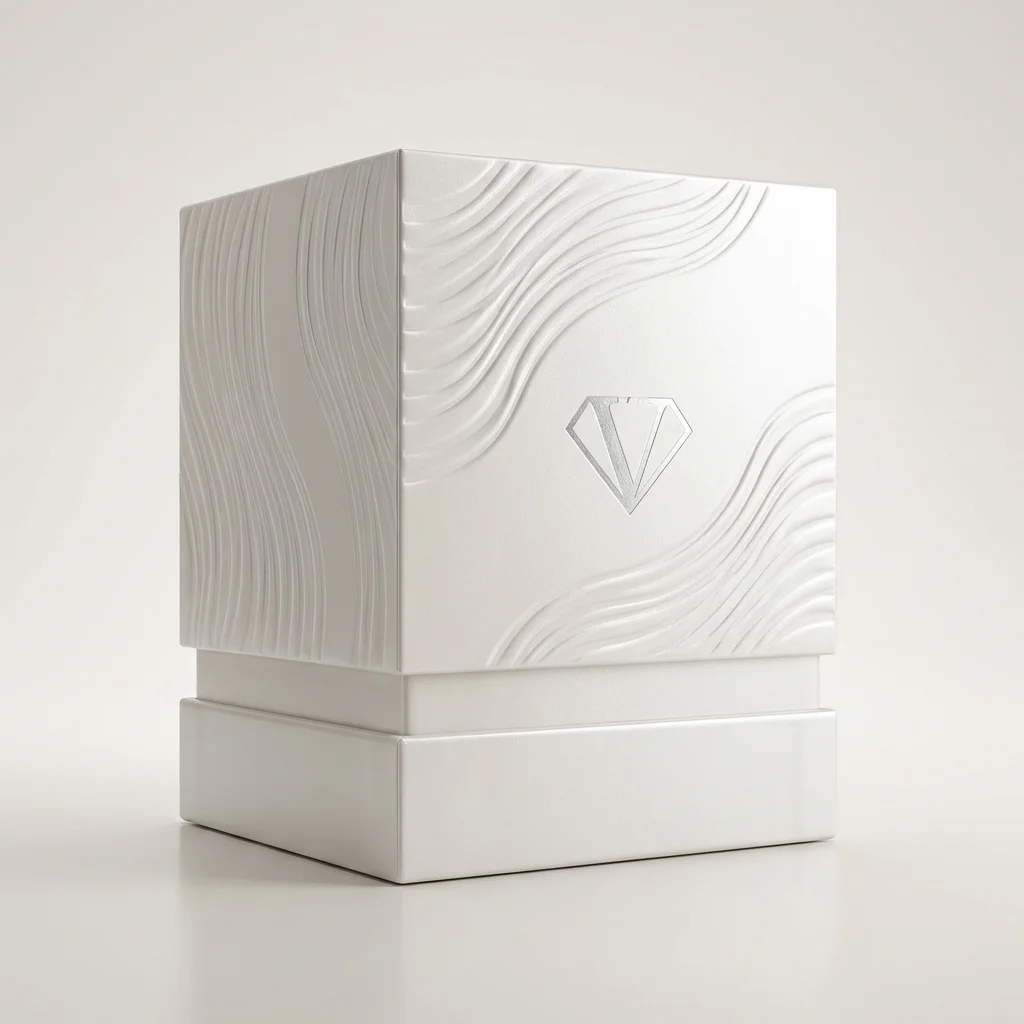
The journey to creating an effective packaging box for glass items begins with understanding the specific vulnerabilities of glass itself. Glass is rigid, brittle, and prone to shattering under stress, shock, or sustained pressure. A well-designed packaging box must act as a shock absorber, isolating the glass product from external forces encountered during handling, storage, and transportation. This means considering drop heights, compression forces from stacking, vibration during transit, and temperature fluctuations. The most successful packaging box designs combine structural strength with strategic cushioning, ensuring that fragile contents remain completely protected without excessive weight or material waste. Brands that prioritize this foundational understanding create packaging boxes that deliver measurable improvements in product safety and customer experience.
Material Selection and Box Construction
Choosing the Right Packaging Box Material
The foundation of any protective packaging box lies in material selection. Rigid cardboard, corrugated board, and kraft materials offer different levels of protection and cost efficiency. For fragile glass items, corrugated cardboard with double or triple wall construction provides an excellent balance between strength and weight. A packaging box made from double-wall corrugated material offers significantly better compression resistance than single-wall alternatives, reducing the risk of collapse when products are stacked. The flute profile—whether B-flute, C-flute, or E-flute—also influences cushioning properties and structural rigidity of the packaging box. Brands must evaluate their specific shipping environment, expected stacking heights, and transportation duration when selecting packaging box materials. Heavier gauge materials increase shipping costs, while insufficient material thickness invites product damage.
Box Dimensions and Internal Space Planning
A packaging box that is too tight around the glass product creates stress points and increases breakage risk, while excessive internal space requires more cushioning material and increases shipping weight. Optimal packaging box design includes adequate clearance between the glass item and the box walls—typically 1.5 to 3 inches of space on all sides for fragile items. This internal buffer zone accommodates cushioning materials that absorb impact energy. When designing a packaging box, brands must account for the exact dimensions of the glass container, including any protrusions such as stoppers, lids, or decorative elements. The packaging box base must be reinforced with proper tape application and, when necessary, corrugated inserts. Side walls should be tall enough to prevent the glass from shifting vertically during transport. Many brands optimize their packaging box design through drop testing and simulation to validate that internal dimensions provide adequate protection without wasting space or material.
Cushioning Strategy and Impact Protection
Selecting Appropriate Cushioning Materials
The cushioning layer within a packaging box is the primary defense against shock and impact. Common cushioning options include expanded polystyrene foam, air pillows, recycled paper, and biodegradable alternatives like mushroom-based foam. When designing a packaging box for premium glass products such as high-end perfumes or specialty beverages, cushioning material choice reflects brand values and cost tolerance. Molded pulp and custom foam inserts can be engineered specifically for your glass shape, creating a packaging box that holds the product in a fixed position. This specialized cushioning prevents movement within the packaging box and distributes impact forces across a wider surface area. The thickness of cushioning material varies based on expected hazards; a packaging box designed for international air freight requires different cushioning density than one intended for regional ground delivery. Testing the packaging box under simulated drop conditions at various heights ensures that the cushioning strategy adequately protects the fragile glass during worst-case scenarios.
Layering and Strategic Shock Absorption
Professional packaging box design employs multi-layer cushioning strategies that work synergistically. The first layer directly surrounding the glass provides the initial shock absorption, while intermediate layers absorb residual energy, and the packaging box walls themselves provide the final structural barrier. Air pillows or bubble wrap can form the innermost layer, securing the glass and preventing contact with the box interior. A second layer of shredded paper or foam provides additional buffering, and a third outer layer protects the entire assembly from compression. This tiered approach to a packaging box ensures that impact energy is gradually dissipated rather than transferred directly to the glass. Brands designing high-value glass items benefit from testing the packaging box with accelerometers and shock recorders to measure actual forces experienced during transit. This data-driven approach to packaging box design eliminates guesswork and provides confidence that glass products will arrive safely.
Structural Design and Durability Considerations
Reinforcement Techniques for Maximum Box Strength
A packaging box's structural integrity depends not only on material selection but also on reinforcement techniques applied during manufacturing. Brands strengthen their packaging box through strategic taping, including reinforced corner and seam taping with water-activated tape or pressure-sensitive tape. Many manufacturers add corrugated board dividers within the packaging box to create compartments that isolate individual glass items from one another and prevent shifting. Glued edge construction provides superior strength compared to stapled edges in a packaging box. The base of the packaging box requires particular attention; a properly sealed base with reinforced bottom flaps prevents the box from bursting open during the combined stresses of weight and impact. When designing a packaging box for multiple glass items, internal partitions create dedicated spaces that prevent glass-to-glass contact and transfer of vibration energy. Testing the packaging box under compression loads simulating real-world stacking conditions validates that it can withstand weight from other packages stacked on top during warehouse storage and transportation.
Seal Quality and Environmental Protection
The sealing method of a packaging box affects both structural integrity and protection against environmental hazards like moisture and temperature fluctuations. A packaging box sealed with high-quality water-activated tape provides superior bonding strength compared to pressure-sensitive alternatives, especially in humid conditions. For glass items sensitive to moisture, the packaging box design may include moisture barriers or silica gel packets that maintain stable humidity within the container. Certain glass products, particularly beverages and premium fragrances, require the packaging box to maintain consistent internal temperatures during storage and transit. Selecting appropriate box closure methods ensures that the packaging box maintains its structural integrity throughout the entire supply chain journey. Brands working with temperature-sensitive glass items benefit from designing the packaging box with consideration for climate variations in transit routes. A well-designed packaging box incorporates these protective measures without significantly increasing costs or complexity.
Testing, Validation, and Optimization
Drop Testing and Impact Simulation
No packaging box design should enter production without rigorous testing that simulates real-world handling conditions. Drop testing involves releasing a packaging box from various heights onto hard surfaces, observing whether the glass product inside survives intact. Compression testing measures whether the packaging box maintains structural integrity when subjected to weight from stacked packages. A comprehensive testing protocol for a packaging box includes multiple drop orientations—corner drops, edge drops, and flat drops—as each impacts the interior glass differently. Vibration testing replicates the cumulative effects of long-distance transportation, measuring whether repeated motion causes damage within the packaging box. After each test, the glass product is inspected for cracks, breakage, or product leakage. A packaging box that passes all drop and compression tests can confidently be deployed across distribution networks with minimal breakage risk. Many brands use video documentation of packaging box testing to build customer confidence and demonstrate their commitment to product safety.
Real-World Feedback and Continuous Improvement
Launching a packaging box design into the market provides invaluable data for optimization. Brands monitor return rates, customer reports of damage, and warehouse feedback to identify potential weaknesses in the packaging box design. If particular drop orientations or transportation routes consistently produce damage, the packaging box design can be adjusted—perhaps by adding thicker cushioning, increasing box wall thickness, or modifying internal compartment design. A packaging box that achieves success in one market may require adjustments for different climates, transportation methods, or supply chain durations. Brands that remain committed to packaging box optimization maintain competitive advantages through fewer returns and higher customer satisfaction. Industry benchmarks suggest that well-designed packaging boxes for fragile glass achieve breakage rates below 1% during transit, whereas inadequately designed alternatives often experience damage rates exceeding 5%. This performance difference directly impacts profitability and brand reputation.
FAQ
What is the minimum thickness required for a packaging box protecting fragile glass?
For fragile glass items, a minimum double-wall corrugated packaging box with walls at least 0.25 inches thick is recommended. Many brands designing packaging boxes for premium glass products use triple-wall corrugated material, which offers superior crush resistance and better absorbs impact forces during transport. The specific thickness needed for a packaging box depends on the glass product's weight, dimensions, and the expected hazards during shipping.
How much cushioning material should a packaging box contain?
A protective packaging box typically requires 2 to 4 inches of cushioning material surrounding the glass product on all sides. The exact amount depends on the fragility of the glass, shipping distance, and transportation method. For items shipped via air, a packaging box may use denser cushioning with less total volume, while ground shipping might employ thicker, lighter-density materials. Testing determines the optimal cushioning volume for each packaging box design.
Can a packaging box design accommodate multiple fragile glass items safely?
Yes, a packaging box can safely contain multiple fragile glass items when properly designed with internal dividers that create individual compartments. Each glass product within the packaging box needs dedicated space with surrounding cushioning to prevent glass-to-glass contact. This compartmentalized approach to packaging box design is common in the cosmetics and beverage industries where multiple items are shipped together.