 EN
EN

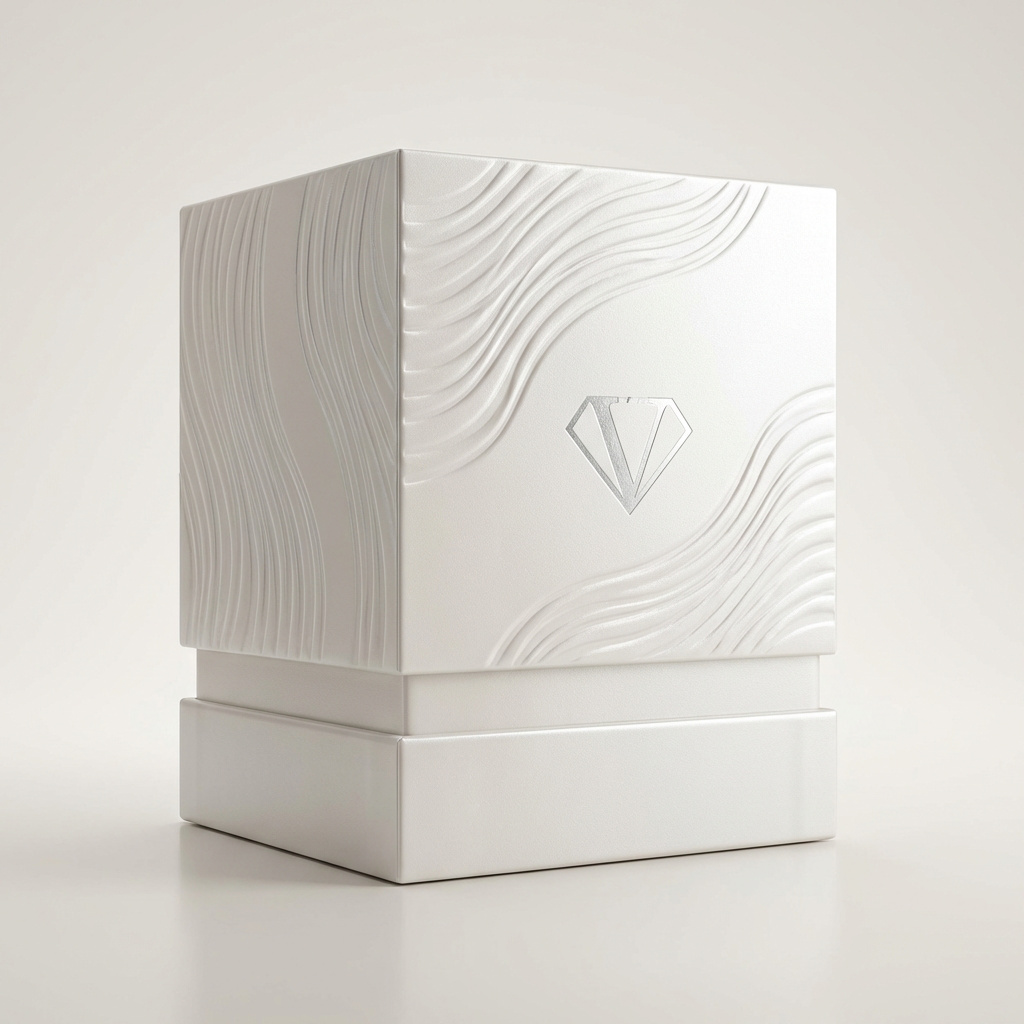
Premium packaging box durability depends significantly on material selection and protective coatings that guard against environmental moisture. When high-value products encounter humidity, condensation, or direct water exposure, a well-engineered packaging box acts as the first line of defense, preserving product integrity throughout the supply chain and retail environment. Understanding which materials and construction methods provide superior moisture resistance is essential for brands that prioritize product protection and customer satisfaction.
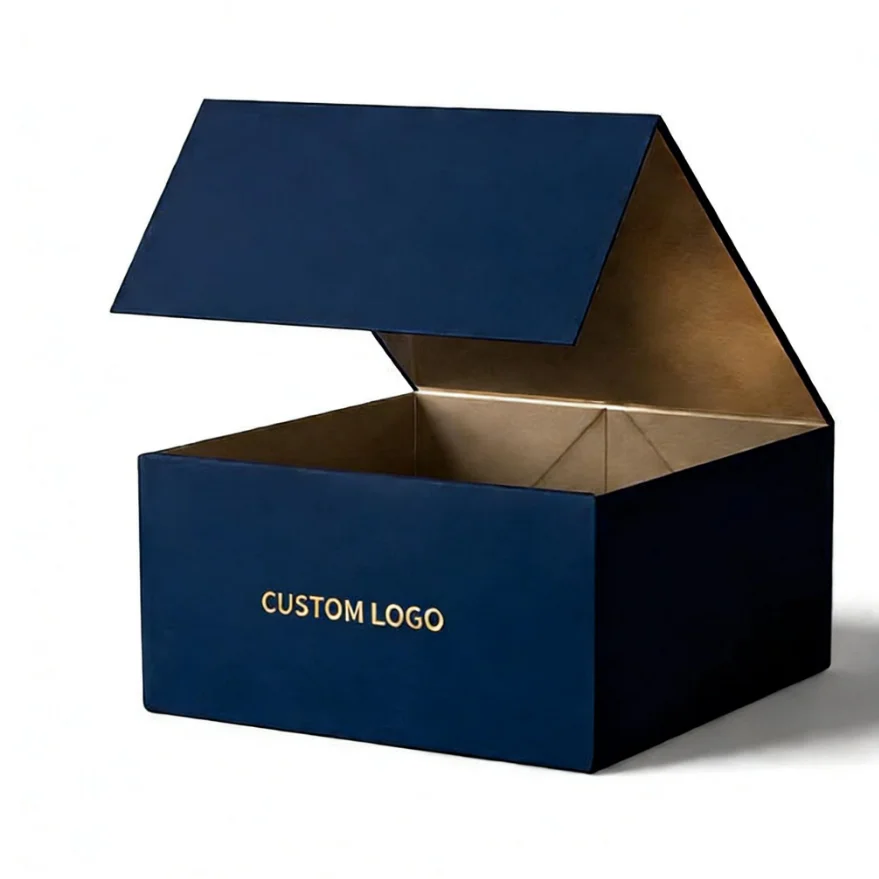
A premium packaging box designed for moisture resistance combines multiple material layers and protective treatments. The right combination of substrates, coatings, and structural design ensures that luxury items, electronics, cosmetics, and specialty goods remain protected even in humid storage conditions or challenging transportation environments. This guide explores the specific materials and techniques that make a packaging box truly resistant to moisture damage.
Core Materials That Enhance Packaging Box Moisture Resistance
Coated Paperboard and Specialty Substrates for Packaging Box Construction
Premium packaging box manufacturers often choose paperboard with integrated moisture barriers rather than standard cardboard. Coated paperboard provides a packaging box with improved water resistance while maintaining structural integrity and printability. Specialty substrates like duplex board and triplex board offer layered construction where the packaging box outer ply resists moisture while inner plies maintain rigidity and cushioning properties. These materials are specifically engineered to prevent the packaging box from absorbing water, which would otherwise weaken the structure and compromise the interior contents.
Laminated and Composite Materials in Premium Packaging Box Design
Lamination technology significantly enhances packaging box moisture performance by creating a sealed barrier within the material itself. A moisture-resistant packaging box using laminated substrates incorporates plastic film layers or polymer coatings that prevent water penetration throughout the entire packaging box structure. Composite materials combine natural fibers with synthetic polymers, resulting in a packaging box that resists swelling, warping, and delamination when exposed to humidity. This approach allows the packaging box to maintain its shape and protective qualities in challenging climate conditions.
Protective Coatings and Surface Treatments for Packaging Box Durability
Water-Resistant Varnishes and Polyurethane Coatings
Surface coatings are critical for achieving moisture resistance in a premium packaging box. Polyurethane-based varnishes create a durable seal on the packaging box exterior, preventing water absorption and humidity penetration. Aqueous polyurethane coatings provide an environmentally responsible way to protect a packaging box while maintaining excellent moisture resistance properties. When applied to a packaging box, these coatings cure to form a continuous protective film that shields the underlying material from environmental moisture and humidity fluctuations.
Wax and Paraffin Treatments for Enhanced Packaging Box Protection
Traditional wax coatings remain highly effective for developing a moisture-resistant packaging box, particularly for luxury and specialty applications. Paraffin wax applied to a packaging box creates a hydrophobic barrier that actively repels moisture and prevents water ingress. Premium packaging box designs often incorporate wax treatments on interior surfaces where product contact requires food-safe or non-toxic moisture barriers. The packaging box treated with quality wax maintains its aesthetic appeal while providing reliable long-term moisture protection that actually improves with proper storage.
Structural Design and Assembly Techniques That Reinforce Packaging Box Moisture Resistance
Sealed Seams and Reinforced Flap Construction in Packaging Box Engineering
The way a packaging box is assembled directly impacts its moisture resistance capabilities. Premium packaging box manufacturers use adhesive technologies specifically formulated to resist moisture migration at seams and joints. A high-quality packaging box features sealed flaps and reinforced corners where water penetration is most likely to occur. Water-resistant adhesives ensure that every packaging box seam remains impermeable to humidity, preventing internal condensation and product damage. Proper packaging box construction techniques include folding patterns that minimize exposed edges and overlapping designs that direct water away from vulnerable areas.
Interior Barriers and Desiccant Integration Within the Packaging Box
Advanced packaging box designs incorporate interior moisture barriers as a secondary defense layer. Silica gel packets or desiccant sachets placed inside the packaging box actively absorb ambient moisture, maintaining a dry internal environment for sensitive products. A premium packaging box may include a breathable moisture barrier film that allows air circulation while preventing direct water contact with contents. The packaging box can also integrate wax-lined interior pockets or compartments that provide targeted moisture protection for specific products. This multi-layered approach ensures that the packaging box protects against both external humidity and condensation formation inside the container.
Performance Standards and Testing for Moisture-Resistant Packaging Box Materials
Industry Standards and Moisture Resistance Testing for Packaging Box Evaluation
A reliable premium packaging box should meet established moisture resistance standards such as TAPPI (Technical Association of the Pulp and Paper Industry) testing protocols. Standard packaging box moisture tests measure water absorption rates, dimensional stability, and structural integrity after exposure to controlled humidity environments. Accelerated aging tests simulate prolonged storage conditions to verify that a packaging box maintains its protective properties over the product lifecycle. Quality packaging box manufacturers document moisture vapor transmission rates (MVTR) to demonstrate how effectively their packaging box resists environmental moisture penetration.
Real-World Performance Verification for Packaging Box Moisture Resistance
Premium packaging box performance under actual shipping and storage conditions validates material selections and design decisions. Humidity chamber testing exposes the packaging box to elevated moisture levels for extended periods, revealing any weaknesses in material composition or assembly. A robust packaging box design successfully prevents internal humidity levels from rising above product-safe thresholds even in tropical or coastal environments. Field testing confirms that the packaging box protects luxury goods, electronics, and specialty items from moisture damage during international shipping and warehouse storage. Premium packaging box solutions undergo rigorous validation to ensure moisture resistance claims match real-world performance expectations.
FAQ
What coating is best for making a packaging box moisture-resistant?
Polyurethane varnishes and aqueous coatings are among the most effective options for creating a moisture-resistant packaging box. These coatings form a continuous protective seal that prevents water absorption and humidity penetration. Wax-based treatments also provide excellent moisture resistance for premium packaging box applications, particularly when long-term storage in humid conditions is expected.
Can standard cardboard be used for a moisture-resistant packaging box?
Standard cardboard provides minimal moisture resistance and is not suitable for premium packaging box applications requiring protection from humidity. Coated paperboard, duplex board, and laminated materials are specifically engineered for moisture resistance in packaging box construction. Adding protective coatings and interior moisture barriers to a packaging box significantly improves its water resistance capabilities compared to untreated cardboard.
How do desiccants improve a packaging box's moisture protection?
Desiccant packets placed inside a packaging box actively absorb ambient moisture and maintain dry conditions around the packaged product. This secondary defense layer complements the packaging box's material-based moisture barriers, creating a comprehensive protection system. Using desiccants in a premium packaging box is particularly effective for sensitive electronics, cosmetics, and specialty items vulnerable to humidity damage during storage and transportation.
Table of Contents
- Core Materials That Enhance Packaging Box Moisture Resistance
- Protective Coatings and Surface Treatments for Packaging Box Durability
- Structural Design and Assembly Techniques That Reinforce Packaging Box Moisture Resistance
- Performance Standards and Testing for Moisture-Resistant Packaging Box Materials
- FAQ