 EN
EN


Eco-conscious consumers are fundamentally reshaping how brands approach packaging, and recycled paper boxes have emerged as a leading choice in this transformation. The demand for sustainable paper boxes reflects a broader shift in consumer values, where environmental responsibility directly influences purchasing decisions. Today's buyers actively seek products packaged in materials that minimize ecological harm and align with their personal commitment to sustainability. Understanding why paper boxes attract eco-conscious audiences requires examining the intersection of environmental benefit, brand perception, and practical functionality.
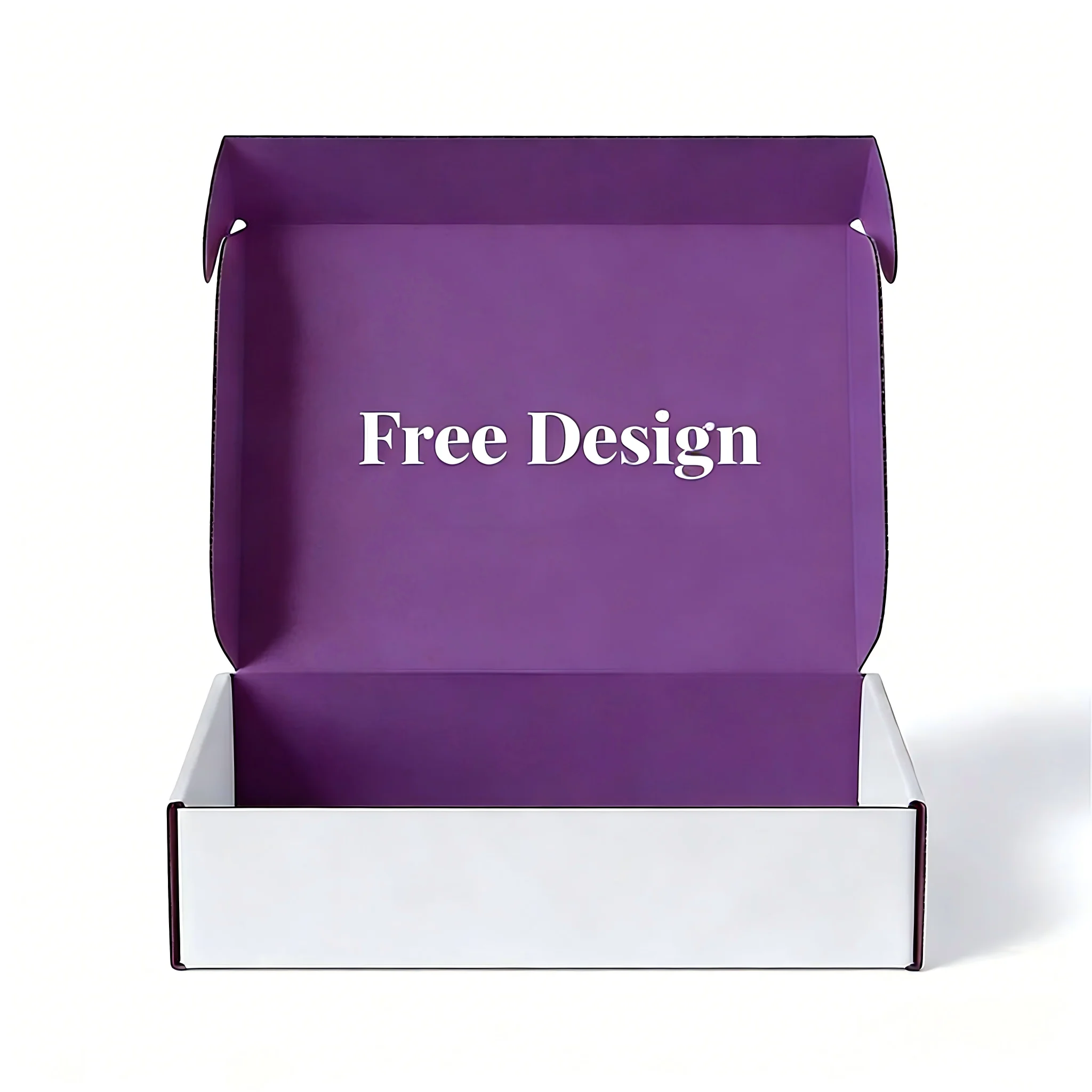
The market response to recycled paper boxes demonstrates that sustainability is no longer a niche preference but a mainstream expectation. Brands using sustainable paper boxes report increased customer loyalty, premium pricing acceptance, and competitive differentiation in crowded markets. When companies invest in quality paper boxes made from recycled materials, they communicate authenticity and environmental stewardship to consumers who actively evaluate packaging choices before purchasing.
Environmental Impact Drives Buyer Preference
Reduced Carbon Footprint and Resource Efficiency
Recycled paper boxes carry a significantly lower environmental burden than virgin-material alternatives. Manufacturing paper boxes from post-consumer waste eliminates the energy-intensive pulping and bleaching processes required for new fiber production. This efficiency reduction translates to measurable carbon emission decreases throughout the supply chain. Eco-conscious buyers understand that choosing products packaged in paper boxes made from recycled content directly supports circular economy principles. The environmental mathematics are compelling: producing paper boxes from recycled fibers uses approximately 40% less energy than virgin pulp processing.
Biodegradability and Landfill Impact
One of the strongest appeals of paper boxes is their complete biodegradability within natural timeframes. Unlike plastic-based packaging, paper boxes decompose naturally without releasing microplastics or persistent pollutants. Consumers increasingly recognize that sustainable paper boxes support waste reduction and ocean protection initiatives. When paper boxes end their lifecycle, they return to natural systems without creating long-term environmental liabilities. This transparency resonates strongly with demographics that actively monitor their waste consumption and seek zero-waste packaging alternatives.
Brand Perception and Consumer Trust
Signal of Corporate Environmental Commitment
Selecting quality paper boxes sends a powerful message to eco-conscious customers about genuine sustainability commitment. When brands prioritize recycled paper boxes over cheaper plastic alternatives, consumers interpret this choice as authentic rather than performative. This trust-building is particularly important in competitive markets where greenwashing skepticism runs high. Paper boxes become tangible evidence that companies align their operational decisions with stated environmental values. Eco-conscious buyers reward this alignment with loyalty, repeat purchases, and positive word-of-mouth advocacy.
Premium Brand Association
High-quality paper boxes carry implicit premium associations that elevate brand perception among environmentally aware audiences. The tactile experience of unboxing sustainable paper boxes creates memorable moments that reinforce brand positioning. Luxury and sustainable beauty brands have discovered that paper boxes, particularly those with premium finishes and customization options, justify price premiums and enhance perceived value. Customers willingly pay more when paper boxes demonstrate both functional excellence and environmental integrity.
Market Practicality and Business Advantages
Cost Efficiency and Supply Chain Advantages
Despite misconceptions about sustainability premiums, recycled paper boxes have become cost-competitive with virgin alternatives as production scales increase. The expanding market for sustainable paper boxes has created competitive manufacturing capacity that benefits brands of all sizes. Companies investing in paper boxes often recover their sustainability investments through reduced waste disposal costs and improved supply chain efficiency. Additionally, paper boxes offer superior printability and customization options compared to plastic alternatives, enabling brands to reduce per-unit packaging costs while enhancing visual appeal.
Regulatory Alignment and Future-Proofing
Regulatory environments worldwide are shifting decisively toward mandatory sustainability requirements and plastic restrictions. Brands adopting paper boxes now position themselves ahead of compliance timelines and legislative transitions. The EU's single-use plastic directives, similar regulations in North America, and extended producer responsibility laws increasingly favor paper-based packaging solutions. Companies investing in quality paper boxes today avoid costly future retrofitting and maintain market access as regulations tighten. This forward-looking strategic advantage makes paper boxes increasingly attractive to supply chain decision-makers beyond just sustainability enthusiasts.
Consumer Psychology and Purchase Motivation
Values Alignment and Personal Identity
Eco-conscious buyers view packaging choices as personal identity statements. When customers receive products in paper boxes, they experience alignment between their environmental values and consumer behavior. This psychological reinforcement strengthens brand relationships and creates emotional connections beyond functional product benefits. Paper boxes enable customers to participate in sustainability narratives, transforming ordinary purchases into expressions of personal commitment. This identity-reinforcing function makes paper boxes particularly powerful for direct-to-consumer brands serving environmentally conscious demographics.
Transparency and Educational Opportunity
Paper boxes provide ideal surfaces for communicating recycled content percentages, certifications, and sustainability initiatives. Eco-conscious buyers actively seek packaging that educates and demonstrates environmental credentials. When companies use paper boxes to display forest stewardship council certifications, recycled content percentages, and disposal instructions, they meet customer expectations for transparency. This educational approach transforms packaging into marketing communication that reinforces sustainability commitment and justifies premium positioning in buyer perception.
FAQ
Are paper boxes actually more sustainable than plastic packaging?
Yes, paper boxes present significant sustainability advantages over plastic alternatives. Paper boxes made from recycled content require less energy to produce, biodegrade completely without environmental harm, and support circular economy principles. Unlike plastic packaging, paper boxes don't persist in ecosystems for centuries or fragment into microplastics. While production still consumes resources, the overall environmental impact of paper boxes remains substantially lower than petroleum-based alternatives, particularly when accounting for end-of-life considerations and ocean pollution risks.
Can paper boxes provide adequate product protection?
Quality paper boxes deliver excellent protection when properly designed and manufactured. Rigid corrugated structures, strategic cushioning materials, and moisture-resistant coatings enable paper boxes to safeguard products during shipping and storage. Modern paper boxes can protect electronics, beauty products, fragile items, and temperature-sensitive goods effectively. The key is selecting appropriate paper box specifications for specific product requirements rather than assuming sustainability compromises functionality. When manufacturers prioritize both protection and environmental responsibility, paper boxes perform comparably to or better than plastic alternatives.
Do eco-conscious consumers actually pay more for products in paper boxes?
Research consistently demonstrates that eco-conscious consumers accept or actively prefer premium pricing when products use quality paper boxes. Sustainability-minded buyers view environmentally responsible packaging as justifying higher costs rather than representing price premiums. This willingness extends particularly strongly to beauty, fashion, food, and lifestyle categories where brand values directly influence purchase decisions. Companies using paper boxes often report stronger customer satisfaction, reduced price sensitivity, and improved margins compared to competitors using lower-cost plastic alternatives.