 EN
EN

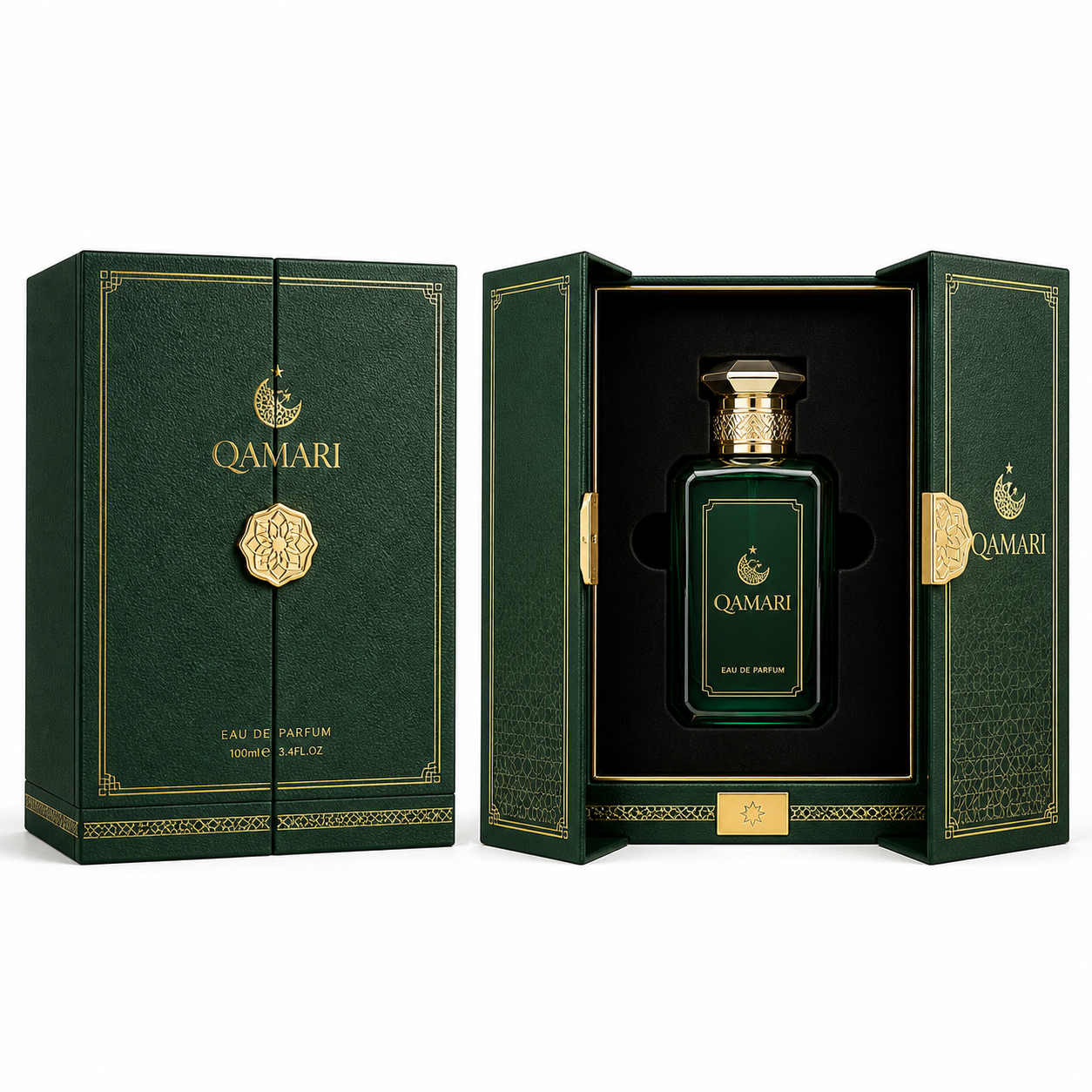
Packaging waste represents one of the most pressing environmental challenges facing businesses and consumers today. Every year, millions of tons of packaging materials end up in landfills, contributing to pollution and resource depletion. Paper boxes emerge as a powerful solution to this escalating problem, offering businesses a way to minimize their environmental footprint while maintaining product protection and brand appeal. Understanding how paper boxes help reduce packaging waste is essential for companies committed to sustainability and responsible corporate stewardship.
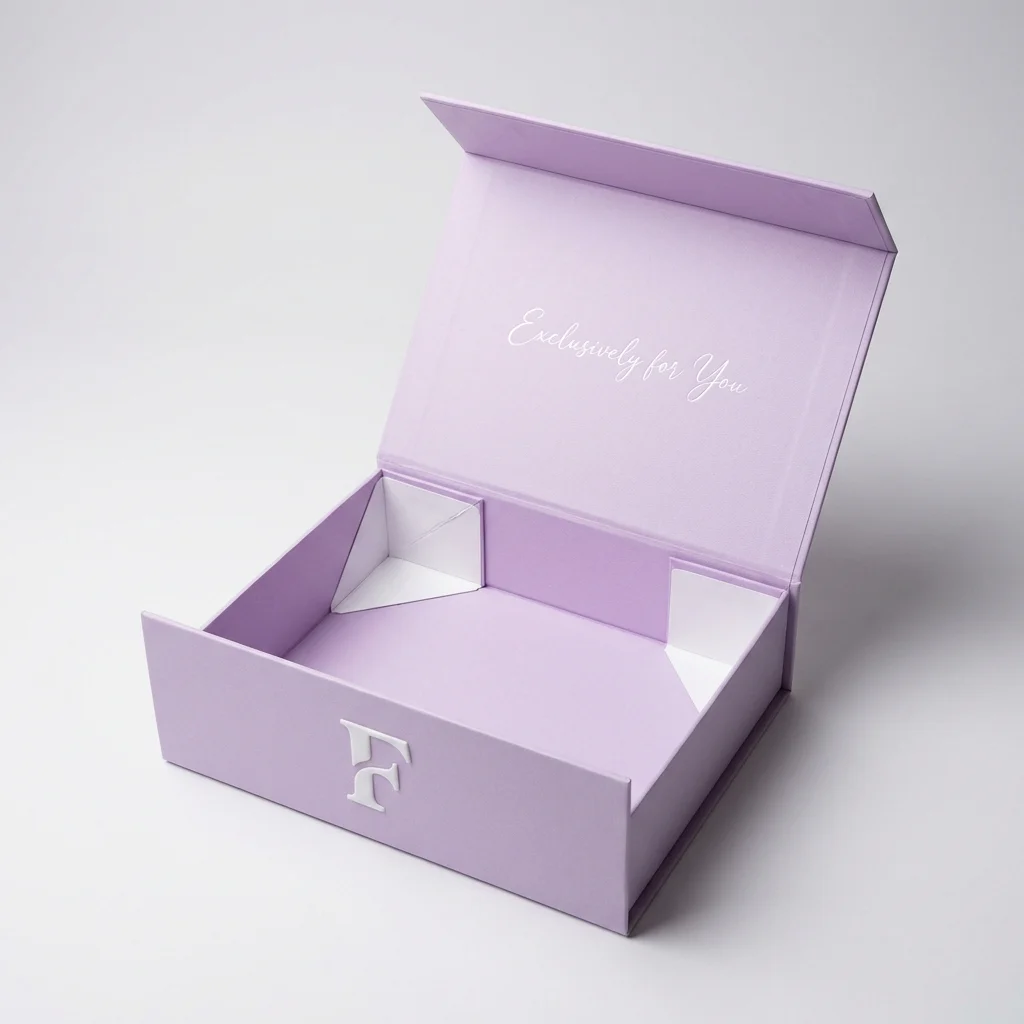
The shift toward paper boxes reflects a broader market recognition that traditional plastic and non-recyclable materials are no longer acceptable solutions. Paper boxes provide businesses with a tangible way to address consumer demand for environmentally conscious packaging. By choosing paper boxes, companies demonstrate commitment to waste reduction while simultaneously improving their brand reputation and market competitiveness. This article explores the multifaceted ways paper boxes contribute to reducing packaging waste and why they represent a smart investment for forward-thinking organizations.
Environmental Benefits of Paper Boxes in Waste Reduction
Recyclability and Circular Economy Integration
Paper boxes stand out because they integrate seamlessly into existing recycling infrastructure across most communities. Unlike plastic alternatives, paper boxes are widely accepted at curbside recycling programs, making them genuinely recyclable rather than destined for landfills. This accessibility means that paper boxes can enter the circular economy multiple times, with each recycled batch reducing the need for virgin materials. When consumers and businesses choose paper boxes, they enable a genuine closed-loop system where materials retain value instead of becoming waste.
The recyclability of paper boxes extends beyond simple mechanical processing. Advanced paper box manufacturers now create products using post-consumer waste, meaning paper boxes can be made from previously recycled materials. This cascading approach maximizes the utility of each fiber, minimizing the extraction of new raw materials. The transition from linear waste patterns to circular paper box systems fundamentally changes how packaging impacts landfill capacity and environmental resource management.
Material Composition and Biodegradability
Paper boxes are manufactured from renewable resources, primarily wood pulp sourced from sustainably managed forests. This fundamental difference from petroleum-based plastics means paper boxes can biodegrade naturally if they reach landfills, unlike synthetic packaging that persists for centuries. The biodegradable nature of paper boxes provides an additional environmental safety net, ensuring that even packaging that misses recycling streams eventually returns to the natural cycle. Responsible forestry practices used to source materials for paper boxes ensure that the renewable resource remains renewable for future generations.
The composition of paper boxes also makes them safer for processing in recycling facilities compared to mixed-material packaging. Paper boxes do not require complex sorting or specialized equipment; standard recycling infrastructure handles paper boxes efficiently. This compatibility reduces contamination issues that plague mixed-material packaging streams and maximizes the recovery rate of useful materials from each batch of paper boxes processed.
Reducing Packaging Waste Through Efficient Design
Lightweight Properties and Material Optimization
Paper boxes require significantly less material than alternative packaging solutions while maintaining structural integrity and product protection. The inherent strength properties of paper boxes mean designers can achieve protection objectives without unnecessary bulk or weight. This weight efficiency translates directly into reduced packaging waste by volume, as paper boxes accomplish the same protective function with fewer resources consumed. The lightweight nature of paper boxes also reduces transportation emissions, creating additional environmental benefits beyond the packaging material itself.
Designers optimize paper boxes specifically for the products they protect, eliminating excess material that would only contribute to waste. Customizable paper boxes can be engineered to precise dimensions, reducing void space and unnecessary padding. This precision design philosophy means paper boxes generate minimal scrap during production and minimal excess during use. The efficiency embedded in modern paper boxes represents a fundamental shift from over-engineered packaging toward intelligent, minimal-waste solutions.
Reusability and Secondary Applications
Paper boxes often extend their useful life beyond initial shipping and delivery. Many customers repurpose paper boxes for storage, moving, or organizing materials, effectively doubling or tripling the packaging lifecycle. This secondary utility means the waste calculation for paper boxes often underestimates the true environmental value delivered. Customers appreciate paper boxes that maintain aesthetic and structural appeal after opening, encouraging reuse rather than immediate disposal.
Some businesses intentionally design paper boxes with enhanced durability and visual appeal to encourage customer retention and reuse. Branded paper boxes that customers want to keep for storage create extended value streams and demonstrate waste reduction through product design. This approach transforms paper boxes from single-use packaging into lasting household items, dramatically reducing the actual waste generated per unit of product delivered.
Business and Supply Chain Advantages of Paper Boxes
Cost Efficiency and Waste Reduction Economics
Paper boxes often provide cost advantages that align perfectly with waste reduction goals. The abundance of paper box manufacturing capacity and the competitive market mean businesses can access quality packaging at favorable prices. Efficient sourcing of paper boxes reduces total packaging costs while simultaneously improving sustainability metrics. This alignment of economic and environmental interests creates powerful incentives for businesses to prioritize paper boxes in their packaging strategies.
The waste reduction associated with paper boxes generates downstream cost savings through reduced disposal fees and landfill taxes. Many jurisdictions offer incentives or tax benefits for businesses that demonstrate measurable waste reduction, and choosing paper boxes creates documented evidence of commitment to sustainability. The total economic impact of paper boxes often exceeds initial acquisition costs when accounting for avoided waste management expenses and potential sustainability certifications.
Supply Chain Transparency and Certification
Paper boxes produced by responsible manufacturers carry certifications demonstrating adherence to environmental standards and sustainable forestry practices. These certifications, such as FSC or similar frameworks, provide supply chain transparency that increasingly matters to consumers and business partners. Choosing certified paper boxes ensures waste reduction efforts rest on verified sustainable sourcing. This transparency transforms paper boxes from generic commodities into traceable, verified sustainable solutions.
The certifications associated with paper boxes enable businesses to communicate authentic sustainability messages to stakeholders. Companies using certified paper boxes can confidently market their packaging choices, building consumer trust and competitive advantage. This narrative value of paper boxes extends beyond environmental impact into brand perception and market positioning, creating comprehensive benefits that justify the transition from wasteful alternatives.
FAQ
Are paper boxes truly recyclable everywhere?
Most curbside recycling programs accept paper boxes, but acceptance varies by location. The majority of developed communities have infrastructure to process paper boxes effectively. However, some specialized coatings or inks on paper boxes may complicate recycling in certain facilities. Contacting local recycling authorities confirms whether specific paper boxes meet local acceptance standards. Despite variations, paper boxes remain far more universally recyclable than plastic alternatives.
How significantly do paper boxes reduce overall packaging waste?
The waste reduction impact of paper boxes depends on what they replace. Switching from plastic to paper boxes can reduce landfill contributions by up to seventy percent or more, depending on local waste management infrastructure. Even accounting for weight, paper boxes typically generate less total waste than multi-material packaging alternatives. The cumulative impact across millions of units shipped annually represents substantial, measurable waste reduction that contributes meaningfully to environmental goals.
Do paper boxes cost more than plastic alternatives?
Paper boxes often cost competitively with plastic alternatives, particularly when volume and customization are factored into calculations. Many businesses find paper boxes actually reduce total packaging costs through simpler supply chains and broader sourcing options. Additionally, avoided disposal fees and potential sustainability incentives further narrow or eliminate any price gap. The economics of paper boxes favor businesses prioritizing waste reduction as part of their operational strategy.