 EN
EN

Technical Deep Dive: The Science and Engineering Behind a High-Performance Packaging Box
In 2026, the humble packaging box is no longer just a container—it is a highly engineered product. As global supply chains become more complex and brand owners demand more from their packaging investments, the technical specifications of a packaging box have never been more critical. From material selection to structural design and print precision, every detail matters.
For global buyers seeking a reliable partner for their packaging box needs, understanding the engineering behind the product is essential to making informed sourcing decisions. In this technical deep dive, we explore the science of what makes a superior packaging box, and how our 19-year-old factory in Huadu District, Guangzhou, applies these principles to deliver excellence at scale.
Material Science: The Foundation of Every Great Packaging Box
The journey of a high-quality packaging box begins not on the production line, but in the selection of raw materials. The paperboard that becomes your packaging box must meet rigorous standards for strength, printability, and consistency. In 2026, the market is seeing significant shifts in material innovation, driven by both sustainability regulations and performance demands .
Paperboard Grades and Their Impact
Not all paperboard is created equal. A standard shipping packaging box typically uses corrugated fiberboard, which consists of a fluted medium sandwiched between linerboards. The flute profile—whether A, B, C, E, or F-flute—determines the packaging box's stacking strength, cushioning properties, and print surface quality. For example, E-flute and F-flute micro-corrugated materials are increasingly used for retail-ready packaging boxes because they combine structural integrity with a smooth surface suitable for high-quality graphics .
For premium applications, solid bleached sulfate (SBS) or coated unbleached kraft (CUK) paperboard may be used to create a rigid packaging box with a luxurious feel. The choice of material directly impacts the packaging box's performance in the field and its perception at the point of delivery.
The Shift Toward Sustainable Materials
Regulatory pressures, particularly the EU's Packaging and Packaging Waste Regulation (PPWR) taking full effect from August 2026, are accelerating the transition to recyclable and fiber-based materials. This means that a compliant packaging box must be designed for circularity from the outset. At our 28,000-square-meter facility, we maintain a diverse inventory of FSC-certified papers and recycled content materials, ensuring that every packaging box we produce meets the strictest international standards for sustainability.
Structural Engineering: Designing a Packaging Box That Protects
The primary function of any packaging box is protection. But designing a packaging box that can withstand the rigors of global logistics requires sophisticated engineering. Factors such as box compression strength (BCT), burst strength, and edge crush test (ECT) values must be calculated based on the product's weight, stack height during shipping, and expected handling conditions.
Right-Sizing and Load Distribution
One of the most significant innovations in recent years is the concept of "right-sizing"—creating a packaging box that fits its contents perfectly. This not only reduces material waste but also improves protection by minimizing internal movement during transit. Advanced structural design software allows our engineers to simulate how a packaging box will perform under various stress conditions, optimizing the design before any material is cut.
Our 19 years of experience in the industry has taught us that a well-designed packaging box must also consider the realities of automated sorting systems. With the increasing automation of logistics hubs worldwide, a packaging box that is slightly out of square or has inconsistent dimensions can cause costly jams and delays. This is why our three-level quality control system includes rigorous dimensional checks at every stage of production.
The Reusable Packaging Box Revolution
A major development in 2026 is the acceleration of reusable packaging systems. In March, FedEx launched a new reusable packaging box solution for B2B shippers, developed in collaboration with Returnity . Each packaging box in this system is engineered for up to 50 shipment cycles, capable of carrying up to 50 pounds of goods. This innovation promises to cut packaging spend by up to 30% per cycle and reduce carbon emissions by 64-88% compared to single-use corrugated options .
This trend toward circularity requires a fundamentally different approach to packaging box design. A reusable packaging box must be durable enough to withstand multiple trips while remaining lightweight and collapsible for efficient return logistics. Our 28,000-square-meter production facility is equipped to handle such specialized requirements, producing robust packaging boxes that meet the demanding specifications of circular supply chains. As FedEx plans to expand this service to Australia and Europe, the global demand for high-durability packaging boxes is set to rise dramatically.
Printing Technology: Bringing Your Packaging Box to Life
In today's competitive marketplace, a packaging box must do more than protect—it must communicate. The printing on your packaging box is often the first interaction a customer has with your brand, and it must be flawless.
Offset vs. Flexographic vs. Digital Printing
The choice of printing technology depends on the volume and complexity of your packaging box order. Offset printing remains the gold standard for high-volume runs of premium packaging boxes, offering exceptional color accuracy and detail. Flexographic printing, particularly with the advent of high-definition plates, is ideal for corrugated packaging boxes where cost-efficiency is paramount. Digital printing, meanwhile, is gaining traction for short runs and personalized packaging boxes, allowing brands to create multiple versions or limited editions without the cost of plates.
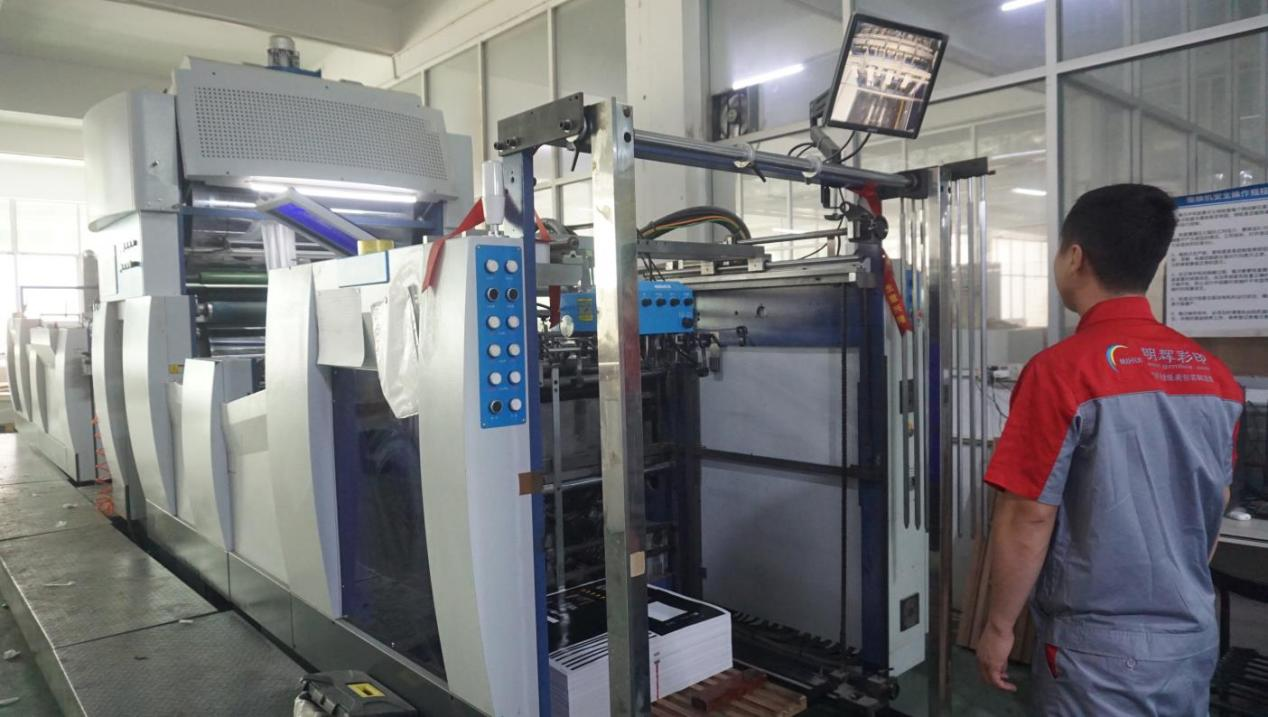
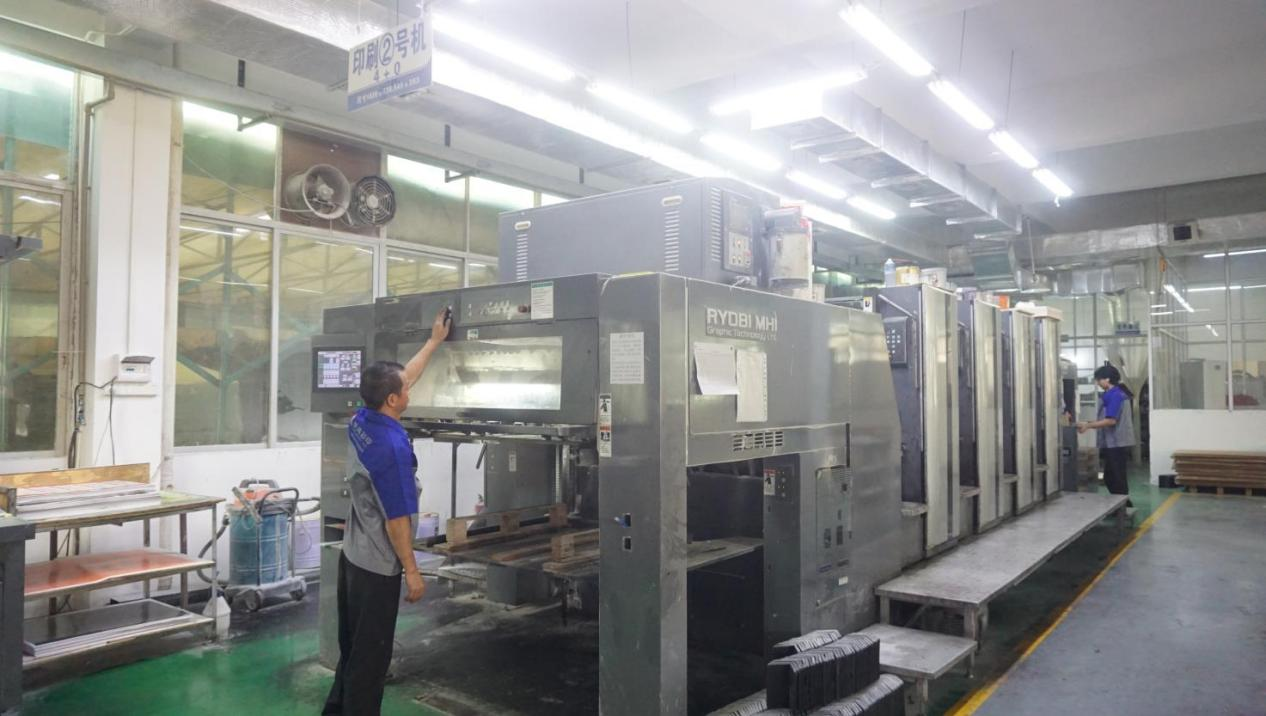
Our facility houses multiple printing lines, allowing us to match the technology to the specific requirements of each packaging box project. Whether you need a simple one-color shipping packaging box or a complex rigid packaging box with metallic foils and embossing, we have the capability to deliver.
Color Management and Consistency
Perhaps the greatest challenge in printing a packaging box is maintaining color consistency across millions of units. This requires sophisticated color management systems, regular press calibration, and meticulous quality control. Our full-chain testing protocol includes spectrophotometric analysis of printed samples throughout the production run, ensuring that the first packaging box off the press matches the last.
The Huadu District Manufacturing Advantage
Located in Huadu District, Guangzhou, our factory benefits from one of China's most advanced manufacturing ecosystems. This location provides us with access to high-quality raw materials, skilled labor, and efficient export logistics. But our true advantage lies in what we have built on this foundation.
With a daily production capacity exceeding 100,000 units, we are equipped to handle orders of any scale. This capacity is not just about volume—it's about consistency. Our production lines are engineered to produce every packaging box to the same exacting specifications, whether you order 1,000 units or 100,000.
Quality Control: The Three-Level System
We have implemented a rigorous Three-Level Quality Control system that scrutinizes every packaging box at every stage:
1.Incoming Inspection: Raw materials are tested against strict specifications before they enter production. If the paperboard doesn't meet our standards, it never becomes a packaging box.
2.In-Process Inspection: As the packaging box moves through printing, die-cutting, and folding, our floor QC officers conduct hourly checks, monitoring for color consistency, dimensional accuracy, and structural integrity.
3.Final Inspection: Before any packaging box is packed for shipping, random samples are pulled from each batch and subjected to comprehensive testing, including drop tests, compression tests, and print quality analysis.
This full-chain testing ensures that when you receive your shipment, every single packaging box is a perfect ambassador for your brand.
Design and Sampling: De-Risking Your Packaging Box Investment
One of the biggest challenges in sourcing a packaging box internationally is the gap between concept and reality. What looks good on screen may not translate to a physical packaging box that meets your expectations. This is why we offer free design services and free sampling.
Our professional design team works with you to engineer a packaging box that balances aesthetics, protection, and cost-efficiency. We use advanced CAD software to create structural designs and 3D renderings, allowing you to visualize your packaging box before any material is cut.
Once the design is finalized, we produce physical samples that you can hold in your hands. Feel the texture, test the strength, and approve the print quality. This step ensures that the mass-produced packaging box matches the approved sample exactly, eliminating surprises and de-risking your investment.
Market Outlook: The Growing Demand for Packaging Boxes
The global boxes packaging market is projected to reach USD 436.02 billion by 2033, growing at a CAGR of 4.7% from 2026 to 2033. This growth is driven by the continued expansion of e-commerce, the shift toward sustainable packaging, and increasing demand from the food and beverage sector. The Asia-Pacific region, led by China, continues to dominate this market, accounting for a significant share of global production .
Within this growing market, several trends are shaping the future of the packaging box:
1.Sustainability: Regulatory pressures and consumer demand are driving the shift toward recyclable and fiber-based materials .
2.Automation Compatibility: As logistics become more automated, packaging boxes must meet precise dimensional standards to avoid jams and delays.
3.Premiumization: Brands are increasingly using high-quality packaging boxes to differentiate themselves in crowded markets .
4.Reusability: The rise of circular logistics is creating demand for durable packaging boxes designed for multiple trips .
Conclusion: Engineering Excellence for Your Packaging Box
The science of the packaging box has evolved dramatically. What was once a simple container is now a sophisticated product that must balance protection, sustainability, print quality, and cost-efficiency. Success in this environment requires a partner with deep technical expertise, advanced manufacturing capabilities, and an unwavering commitment to quality.
With our 19-year history, our 28,000-square-meter facility in Huadu District, our daily production capacity of 100,000+ units, and our three-level QC system, we offer the technical excellence that global brands demand. From material selection to structural design to precision printing, we engineer every packaging box to perform flawlessly in the field.
Contact us today to discuss your requirements and request your free sample. Let our expertise work for you.