 EN

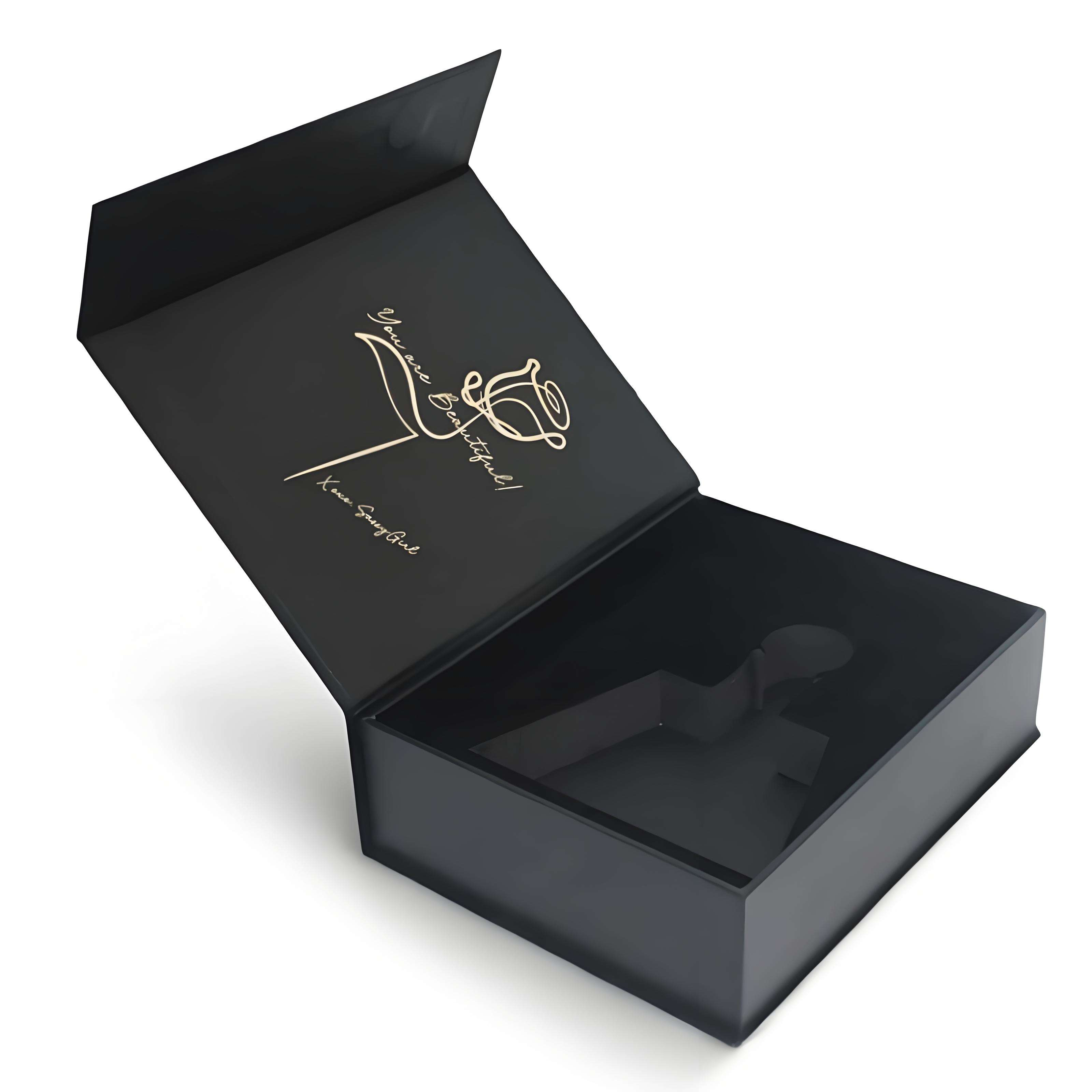
Book shaped boxes represent a unique intersection of functional packaging and decorative design, offering businesses and consumers an elegant alternative to conventional gift and storage solutions. These innovative containers mimic the appearance and dimensions of bound books while providing secure, protective storage for valuable items. The concept has gained significant traction across luxury retail, publishing, jewelry, and specialty gift markets, where aesthetic presentation directly influences customer perception and purchasing decisions. Understanding what book shaped boxes are and how manufacturers create them reveals the sophistication behind this seemingly simple yet highly effective packaging format.
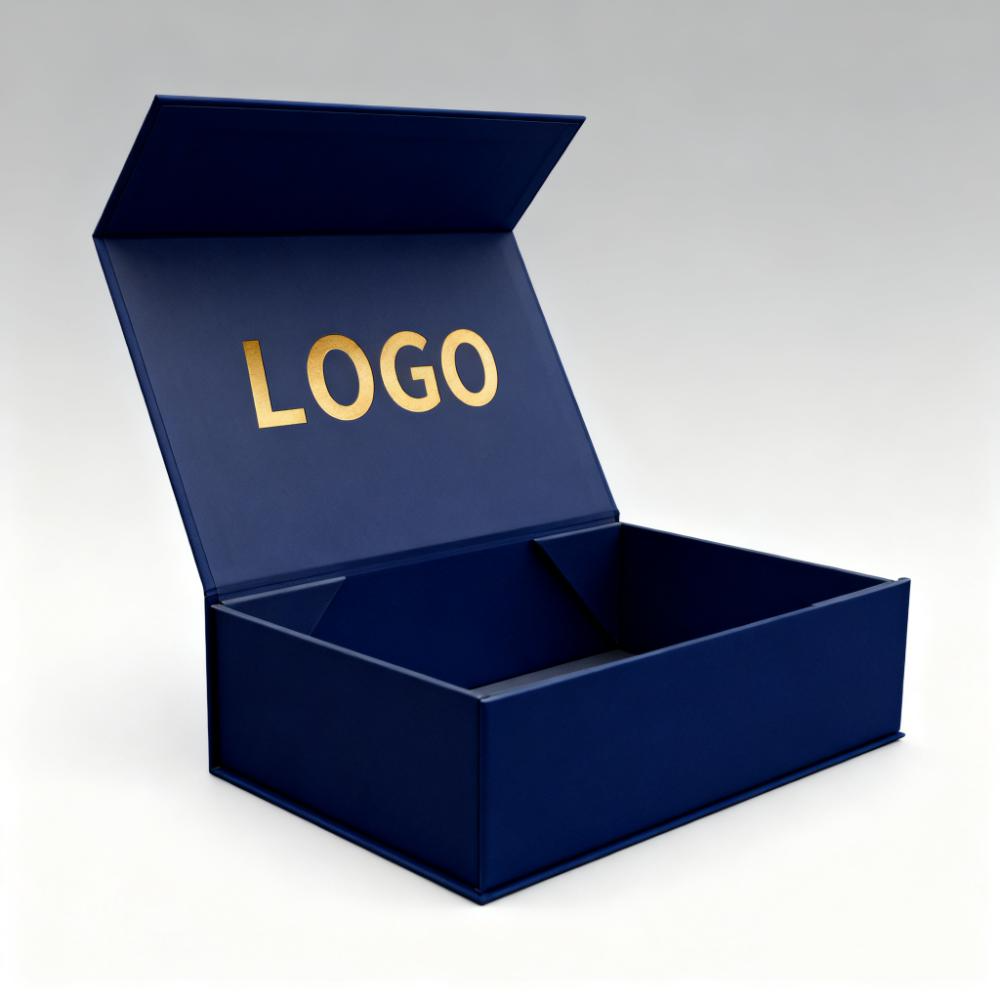
The appeal of book shaped boxes extends far beyond aesthetics. These containers serve practical purposes for retailers seeking to elevate brand experience, publishers creating premium product bundles, and individuals packaging gifts that deserve memorable presentation. Custom book box packaging allows designers to integrate company branding, narrative elements, and decorative details that communicate quality and intentionality. By combining the familiarity of book design with modern manufacturing techniques, producers deliver solutions that feel both nostalgic and contemporary, making them particularly valuable in markets where unboxing experiences influence social media engagement and word-of-mouth marketing.
Understanding Book Shaped Box Construction and Design
Core Materials and Structural Components
Book shaped boxes are constructed using rigid paperboard, specialty papers, and adhesive systems that replicate authentic book appearance while providing superior product protection. The outer shell typically consists of premium cardstock laminated with decorative papers, fabrics, or specialty finishes that simulate book cover materials. The spine is reinforced with additional layers to ensure durability and structural integrity during storage and transport. Internal compartments feature custom padding, foam inserts, or velvet linings that securely cradle stored items while preventing movement and damage. Manufacturers often incorporate magnetic closures, ribbon bookmarks, or embossed details that enhance the book illusion and functional appeal.
Design Elements That Enhance Visual Authenticity
Decorative storage boxes with lid designs often include typography, title treatments, and spine detailing that reinforce book authenticity. Professional designers incorporate color blocking, embossing, foil stamping, and gradient effects to create visual depth and sophistication. Gift boxes that look like books frequently feature dimensional spine ridges, textured cover surfaces, and binding thread patterns that deliberately reference traditional bookbinding craftsmanship. These design choices transform functional packaging into collectible objects that customers retain long after product consumption, extending brand visibility and creating secondary value beyond initial product delivery.
Manufacturing Processes for Book Shaped Packaging
Design Development and Prototyping Phase
Creating custom book box packaging begins with comprehensive design consultation where manufacturers assess client requirements, product dimensions, branding guidelines, and intended use cases. Digital design teams develop detailed mockups and 3D renderings that establish structural proportions, closure mechanisms, and surface decoration placement. Prototype fabrication follows, allowing clients to evaluate material quality, finish options, and functional performance before committing to full production runs. This iterative approach ensures that final manufactured boxes meet aesthetic expectations while maintaining structural reliability and cost efficiency.
Production and Assembly Workflow
Manufacturing book shaped boxes involves specialized machinery that cuts, scores, and folds custom-sized paperboard sheets with precision tolerances. Die-cutting equipment creates accurate shapes that replicate book dimensions and detailed edge features. Color printing occurs on multiple substrates simultaneously, applying branded imagery, decorative patterns, and narrative text across front covers, back covers, spine areas, and interior surfaces. Assembly teams laminate exterior finishes, insert protective padding, apply closures, and integrate embellishments like ribbon bookmarks or magnetic strips. Quality control checkpoints throughout production verify dimensional accuracy, color consistency, finish quality, and functional performance before boxes enter packaging and distribution phases.
Applications and Market Advantages
Luxury Gift and Retail Market Positioning
Decorative storage boxes with lid functionality excel in premium gift markets where presentation significantly influences perceived value. Luxury jewelry retailers, high-end cosmetic brands, and specialty gift companies leverage gift boxes that look like books to create memorable unboxing experiences that encourage social sharing and repeat purchases. The format appeals to corporate gift buyers seeking distinctive presentation solutions that differentiate their offerings from conventional packaging. Educational institutions and literary organizations similarly embrace book shaped packaging for special edition releases, alumni gifts, and commemorative collections, where form factor reinforces brand mission and values.
Practical Storage and Display Applications
Beyond retail applications, book shaped boxes serve practical storage functions in residential and commercial environments. Decorators and interior designers specify custom book box packaging for organizing and displaying collectibles, documents, jewelry, and sentimental items while maintaining aesthetic room harmony. Library systems and archival organizations use reinforced book shaped boxes for document preservation and special collection housing. These applications demonstrate that book shaped boxes transcend novelty status, delivering genuine utility alongside visual appeal that justifies premium positioning and supports customer retention through repeated purchase cycles.
FAQ
What materials are best for creating durable book shaped boxes?
Rigid paperboard ranging from 2mm to 4mm thickness provides optimal durability and structural integrity for book shaped boxes. Premium cardstock substrates resist warping, crushing, and degradation during storage and transport while accepting high-quality printing finishes. Many manufacturers incorporate specialty reinforcement materials at stress points like hinges and spine areas to extend box lifespan. Selecting material grades depends on anticipated product weight, usage frequency, storage environment, and budget parameters. Consultation with experienced packaging manufacturers helps identify optimal material combinations that balance performance, aesthetics, and cost efficiency for specific applications.
How does custom book box packaging improve brand perception?
Custom book box packaging communicates quality, intentionality, and brand sophistication through thoughtful design and premium material selection. When customers encounter distinctive gift boxes that look like books, the format signals that brands invested effort in presentation, justifying premium pricing and building emotional connections. Unboxing experiences become memorable moments that customers share across social media platforms, extending marketing reach beyond initial transactions. The tactile quality of decorative storage boxes with lid mechanisms creates multisensory brand interactions that conventional packaging cannot match, resulting in higher customer satisfaction and loyalty metrics.
Can book shaped boxes be customized for specific product dimensions and branding?
Yes, professional book shaped boxes are fully customizable in dimensions, materials, finishes, and design elements to match client specifications. Manufacturers offer extensive options including custom sizing, color printing, embossing, foil stamping, fabric covers, and closure mechanisms. Interior compartments can be tailored with specific padding configurations, velvet linings, or foam inserts that accommodate diverse products. Design teams work collaboratively with clients to integrate brand logos, messaging, and decorative elements that reinforce brand identity while maintaining functional performance. Minimum order quantities vary by manufacturer but typically range from hundreds to thousands of units, making custom book box packaging accessible across business scales.