 EN
EN

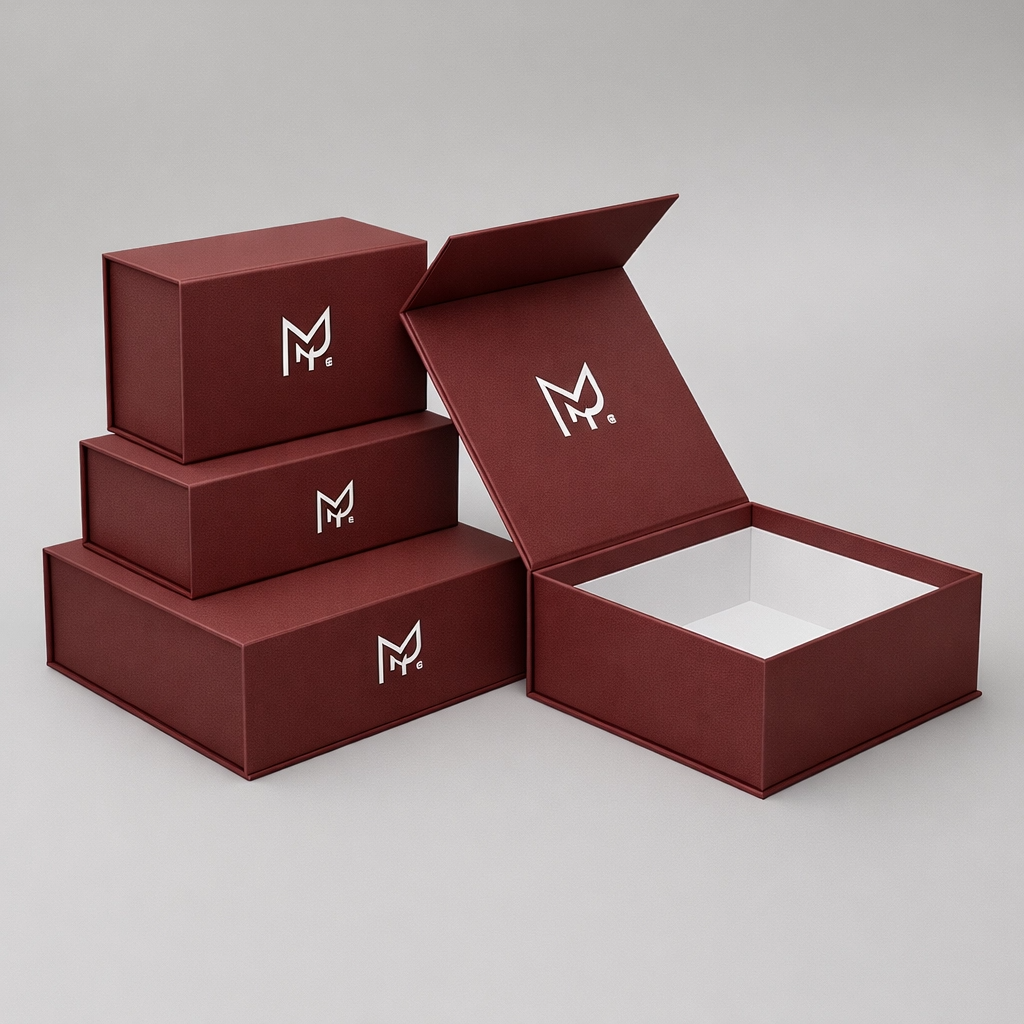
Product safety during storage and transportation hinges critically on the quality and type of material used in a packaging box. The choice of packaging box material directly influences how well products remain protected from physical damage, environmental exposure, and contamination throughout the supply chain. Understanding the relationship between packaging box composition and product safety is essential for manufacturers, distributors, and retailers who must ensure goods arrive at customers in pristine condition.
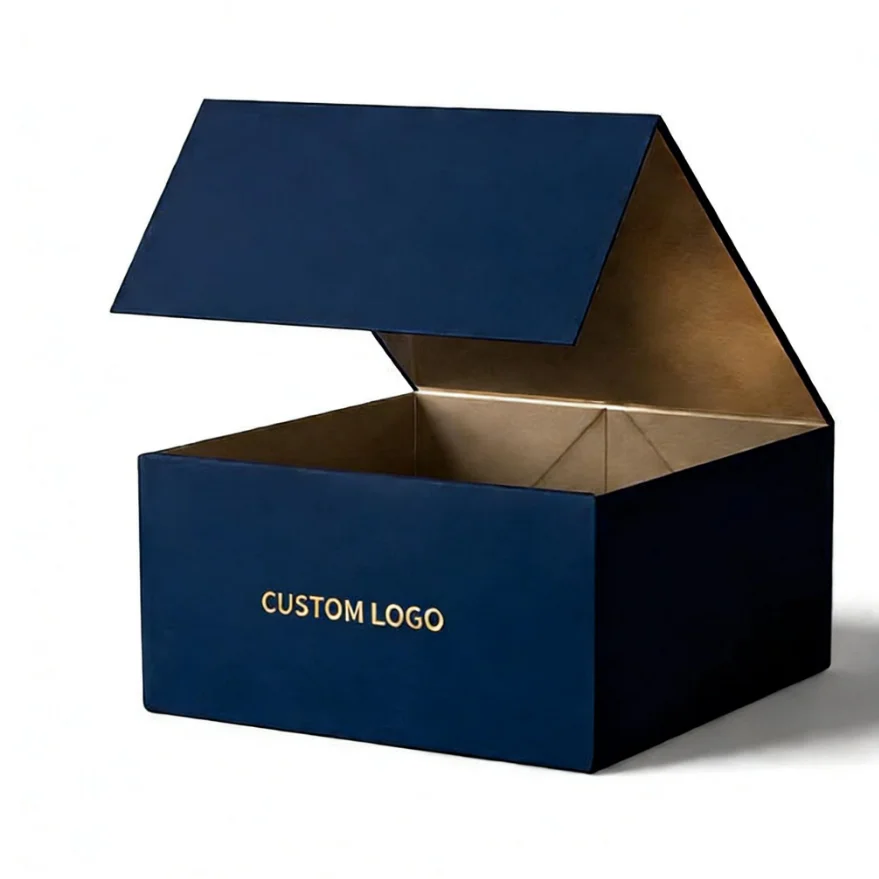
The packaging box you select serves as the first line of defense against external hazards. From corrugated cardboard to rigid board and specialty materials, each packaging box type offers distinct protective properties. The structural integrity, thickness, and material composition of a packaging box determine its ability to withstand stacking pressure, vibration, humidity, and temperature fluctuations. Selecting the right packaging box material requires balancing protection level, cost efficiency, and sustainability objectives while maintaining compliance with industry safety standards.
Material Properties and Protective Capacity
Corrugated Board Packaging Box Performance
Corrugated cardboard remains the most widely used packaging box material across industries due to its exceptional strength-to-weight ratio and cushioning properties. The fluted structure of a corrugated packaging box creates air pockets that absorb shock and vibration during transport, reducing impact damage significantly. A well-designed corrugated packaging box can protect fragile items, electronics, and perishables by maintaining structural rigidity while distributing compressive forces evenly. The liners and fluting thickness in a packaging box directly affect its burst strength, crush resistance, and overall protective capability for stored products.
Rigid and Specialty Material Advantages
Rigid packaging box materials, such as solid bleached sulfate board and chipboard, offer superior durability for high-value or sensitive products. A rigid packaging box provides enhanced puncture resistance and maintains dimensional stability in varying humidity and temperature conditions, which is critical for pharmaceutical, cosmetic, and luxury goods. Specialty materials used in premium packaging box construction, including magnetic closures and reinforced corners, add security and tamper resistance. These advanced packaging box options prevent product shifting, moisture infiltration, and contamination, making them ideal for items requiring elevated protection standards.
Environmental Protection and Product Integrity
Moisture and Temperature Control in Packaging Boxes
The packaging box material composition directly affects how effectively it shields products from environmental hazards like humidity and temperature extremes. Standard cardboard packaging box materials are susceptible to moisture absorption, which weakens structural integrity and can damage sensitive contents. Treated packaging box materials with water-resistant coatings or barrier films provide superior protection for perishables, electronics, and moisture-sensitive products. Selecting an appropriate packaging box with proper moisture resistance prevents product degradation, extends shelf life, and maintains quality standards throughout warehousing and distribution cycles.
Physical Damage Prevention and Impact Resistance
During logistics operations, a packaging box encounters multiple hazards including dropping, stacking, and rough handling. The material thickness, compression strength, and edge protection features of a packaging box determine its resilience against physical impacts. A well-engineered packaging box with adequate board weight and structural reinforcement minimizes dents, crushing, and internal product damage. Multi-wall packaging box constructions provide superior impact absorption compared to single-wall alternatives, making them essential for fragile items, heavy products, and long-distance shipments requiring maximum protection.
Industry Standards and Material Selection Criteria
Compliance and Testing Requirements for Packaging Boxes
Regulatory bodies and industry associations establish rigorous testing standards to ensure packaging box materials meet safety requirements. A compliant packaging box must demonstrate adequate drop resistance, compression strength, and dimensional stability through standardized testing protocols. The material choice for a packaging box must align with specific industry regulations, such as FDA guidelines for food packaging or ISTA standards for distribution packaging. Selecting a packaging box that exceeds minimum compliance thresholds provides additional safety margins and protects against liability from product damage or failure during transit.
Cost-Benefit Analysis and Performance Optimization
Choosing the right packaging box material requires balancing protection requirements against total cost of ownership. An over-engineered packaging box increases material expenses unnecessarily, while an under-specified packaging box risks product damage and customer dissatisfaction. The material selection for a packaging box should be driven by product fragility, value, transport distance, and expected handling conditions. Conducting comparative analysis of packaging box options identifies the optimal solution that provides necessary protection while maintaining cost efficiency and meeting sustainability objectives.
Practical Considerations for Packaging Box Selection
Industry-Specific Applications and Material Matching
Different industries demand specific packaging box material properties based on product characteristics and distribution channels. Electronics manufacturers require a packaging box with excellent static protection and moisture resistance, while food producers need packaging box materials compliant with health standards and temperature tolerance. Apparel and footwear brands benefit from rigid packaging box designs that maintain product presentation and brand aesthetics. Pharmaceutical companies depend on packaging box materials that provide tamper evidence and complete environmental isolation. Matching packaging box material specifications to industry requirements ensures optimal product safety and customer satisfaction.
Storage Conditions and Longevity
The performance of a packaging box material varies significantly depending on storage environment and shelf duration. Cardboard packaging box materials may degrade when exposed to prolonged high humidity, while certain plastic-based packaging box alternatives maintain integrity in challenging conditions. A packaging box intended for long-term warehouse storage requires superior moisture resistance and dimensional stability compared to temporary shipment boxes. Understanding how different packaging box materials respond to temperature fluctuations, UV exposure, and humidity variations helps organizations select containers that maintain protective function throughout the entire product lifecycle.
FAQ
Does packaging box material affect shipping costs and logistics efficiency?
Yes, packaging box material directly impacts shipping costs through weight, stackability, and dimensional efficiency. Lightweight corrugated packaging box solutions reduce transportation expenses, while rigid packaging box materials may require more space. However, the packaging box material chosen must still provide adequate protection, as damage claims and returns ultimately cost more than premium packaging box selection. Optimizing packaging box material selection balances weight reduction with protection requirements to minimize total logistical expenses.
What packaging box material is best for fragile electronics?
Fragile electronics typically require multi-wall corrugated packaging box construction combined with cushioning materials and static protection. A specialized packaging box designed for electronics should include foam inserts, anti-static packaging box liners, and impact-absorbing elements. Rigid packaging box alternatives with custom internal structures provide excellent protection for high-value electronics during international shipping. The packaging box material selection should prioritize both shock absorption and environmental protection to prevent static discharge and physical damage simultaneously.
How do I determine the correct packaging box material thickness?
Packaging box material thickness depends on product weight, fragility, stacking height during storage, and transport distance. Manufacturers should consult industry standards like ISTA guidelines to identify minimum packaging box material requirements for specific applications. Testing the packaging box material under realistic handling conditions ensures adequate protection before full-scale implementation. Working with packaging experts helps optimize the packaging box material specification to achieve the best balance between protection level, cost, and operational efficiency.